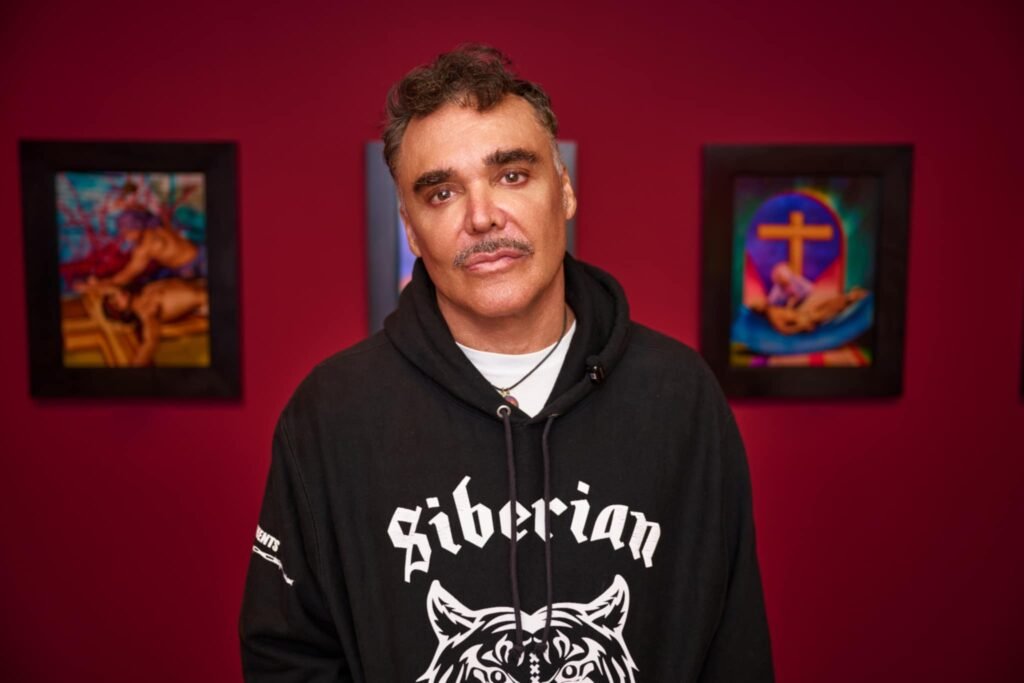
Photographers often talk about influence, but few exhibitions demonstrate what it looks like to sustain a creative voice across decades without stagnation. David LaChapelle: As the World Turns at the Orlando Museum of Art offers exactly that. For photographers, this exhibition is worth attention not just for its visual impact, but for what it reveals about process, intention, and longevity in a creative career.
The exhibition spans more than forty years of work by David LaChapelle, bringing together early photographs, iconic editorial and portrait work, and more recent pieces that focus on spirituality, environmental change, and social commentary. While LaChapelle is often associated with celebrity and spectacle, As the World Turns reframes his career as one rooted in inquiry rather than shock value. The images function less as fashion statements and more as visual parables, asking questions about faith, humanity, excess, and collapse.
During the accompanying Q&A, LaChapelle spoke candidly with OMA Chief Curator Coralie Claeysen-Gleyzon and moderator Steve Mort about how his work grew out of lived experience, including periods of profound loss and uncertainty early in his career. Photography, for him, became a way to process those experiences and search for meaning. That throughline is visible throughout the exhibition. Even the most elaborate images are anchored in purpose. Nothing feels decorative for its own sake.
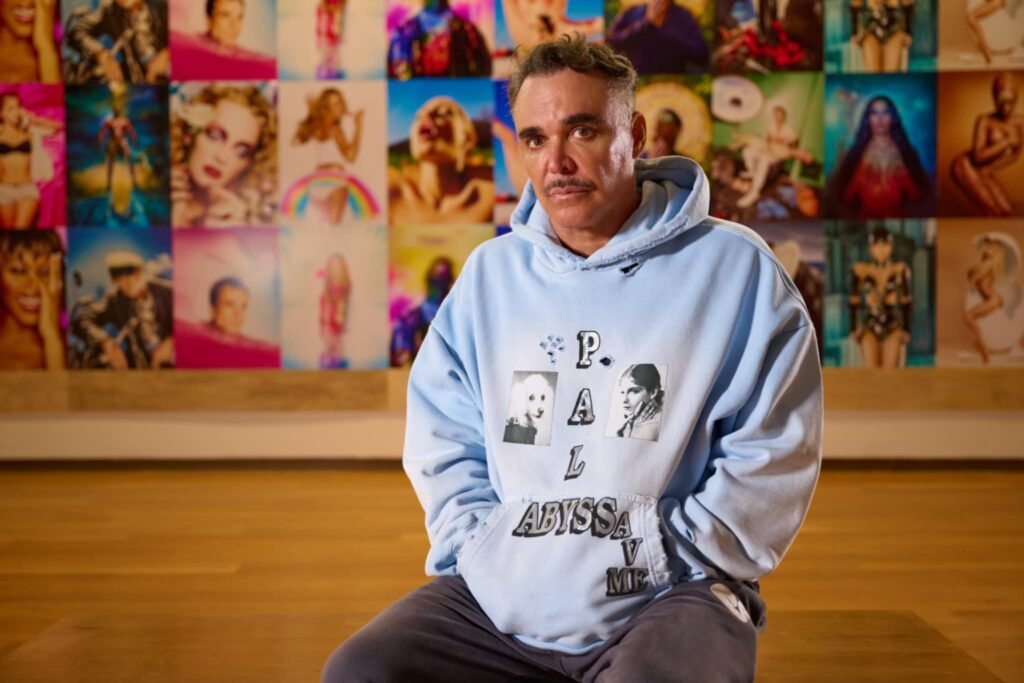
For photographers, one of the most instructive aspects of the exhibition is LaChapelle’s commitment to physical craft. He described his process as theatrical and collaborative, involving drawing, set building, painting, costuming, casting, and lighting before a single frame is captured. The resulting photographs carry the energy of that process. He intentionally leaves evidence of construction, such as wires or set edges, to reinforce that these images were made in the real world. In an era where viewers increasingly assume striking images are digitally generated or AI-assisted, this insistence on physicality and clarity feels both relevant and necessary.
LaChapelle also emphasized the importance of his work standing on its own. He does not rely on extensive wall text or explanation to convey meaning. Instead, the work is designed to communicate directly with the viewer. For photographers navigating how much context to provide their audience, this approach is a reminder that clarity in composition, symbolism, and intent can often speak louder than explanation.
The themes explored in As the World Turns feel especially timely. Environmental instability, cultural fragmentation, and questions of belief surface repeatedly throughout the galleries. LaChapelle drew parallels between the fragility he has witnessed in nature and the broader state of the world, noting how quickly systems can collapse when pushed beyond their limits. These ideas are not presented as despair, but as calls for awareness. Beauty and unease coexist in the work, inviting viewers to look longer rather than turn away.
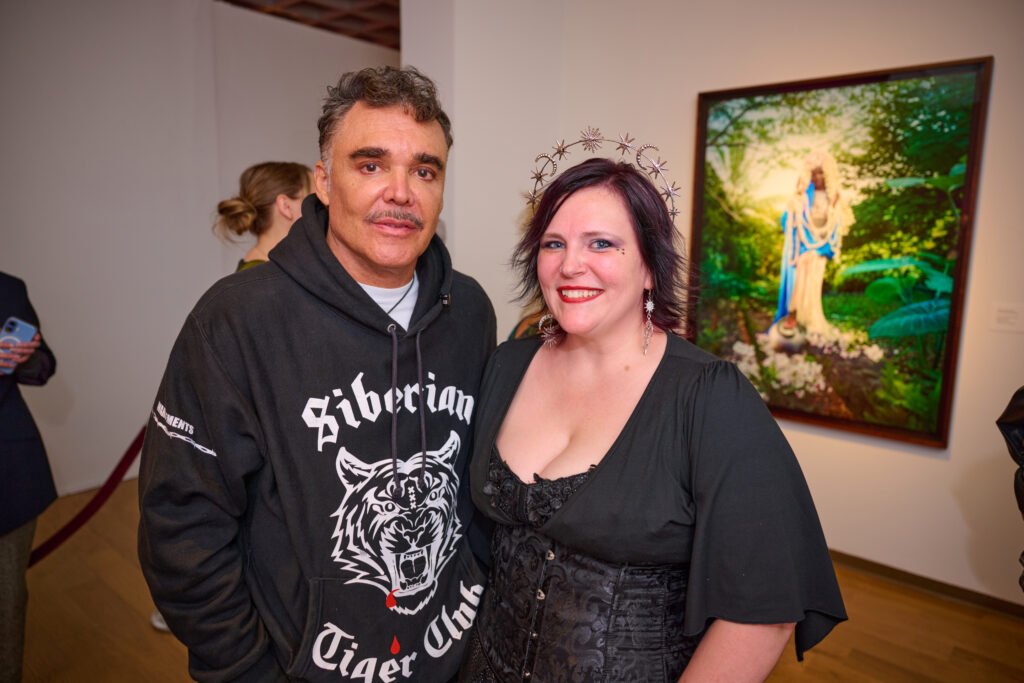
For photographers at any stage of their career, this exhibition offers more than inspiration. It provides a case study in artistic evolution, showing how a photographer can move through commercial success, cultural influence, and personal transformation while continuing to ask meaningful questions through their work. As the World Turns is not a retrospective that looks backward with nostalgia. It is an active, living body of work that demonstrates how photography can remain relevant, intentional, and deeply human over time.
For PPCF members seeking reminders of why craft, vision, and purpose still matter, this exhibition delivers that message with clarity and conviction. If you’re able to see As the World Turns in person — whether you came to photography because of LaChapelle or you’re discovering his imagery now — this exhibition is an opportunity to recalibrate. To remember why you picked up a camera in the first place: to make something that matters, to find your voice in a visual conversation that’s bigger than yourself.
As the World Turns, curated by Coralie Claesen-Gleyzon, is on view through May 3, 2026.
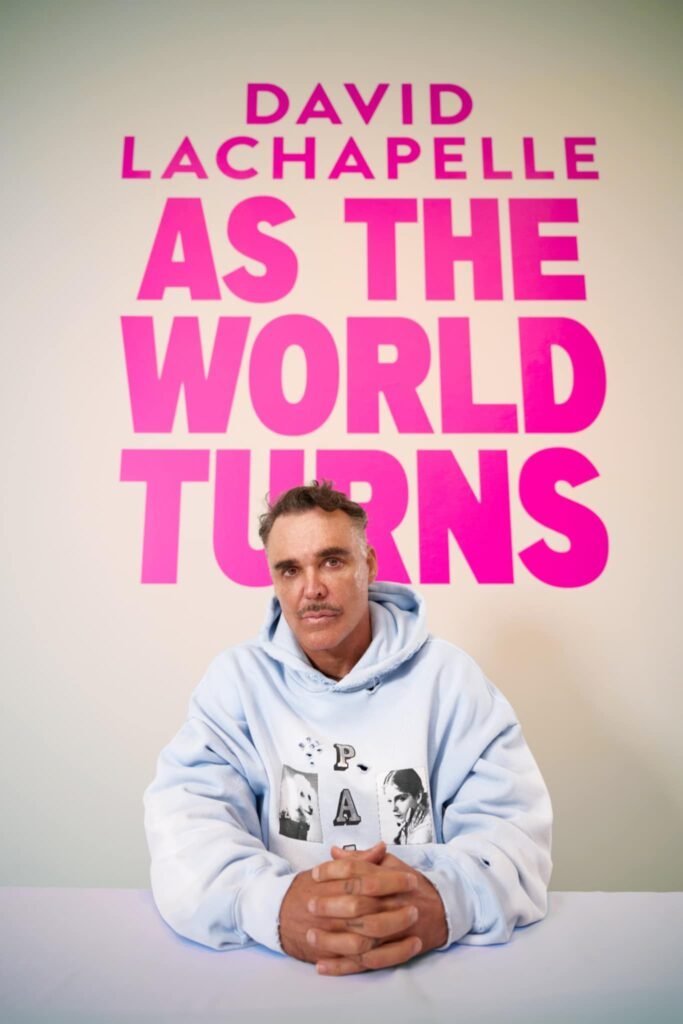
All photographs in this article © Rich Johnson of Spectacle Photo for Orlando Museum of Art